Thursday, April 12, 2018

Ways Your Summer Camp Can Inspire


We all want to inspire our students to be the best they can be, but it's not always easy with the limited amount of time and resources we have. That is why I believe that in the summer we can take advantage of the outside as kids can learn and have fun and teachers can renew as well! Here are a few ways to make your summer camp or school inspiring for children AND staff!


Create a bonding experience with team building exercises for kids such as a group art activity, teamwork Yoga or parachute play


Give back to your staff with a fun Zumba event 
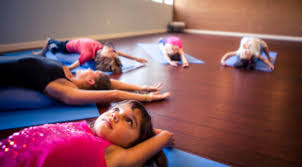


Encourage relaxing with a Yoga area for kids to use to get out of the sun! 


Connect to families with a parent/child event 


Learn something new! Bring in an outside group to teach a class like our fun filled movement based classes! 

What  activities are you excited about for your summer camp? 


Monday, January 29, 2018

Mid-Year Change To Activate Your Classroom


Teacher Burnout! 

We all feel it at one time or another but especially mid-year! It's that feeling that you won't get it all done or that you just can't face another day with the stress and repetition of the classroom. So how do you re-energize? Tweak your lesson plan with something new! Here are some ideas...


Make Snow Angels... Indoors The next time you read a story, look for movement opportunities. The Snowy Day is a great book to keep your kids active while enjoying the story


Make Transitions Active! Use music, exercises, or play a game like this one with different color feet on the floor. If you are on the yellow feet, waddle like a duck to the line! 


Celebrate 100 Days of School! Play active counting games such as 100 jogging feet... 
...or 100 seconds to hold a dog pose in Yoga! Or any of the Yoga poses!

How do you keep your preschool active?

Sunday, December 17, 2017

Best of 2017 Preschool Teaching Tools


This year has been full of challenges, transformations, and growth. I have learned amazing ideas from observing and talking to educators...like you! Of the things I learned, these are my favorite strategies and now I want to pass them along to you! Here are the best ideas of 2017. Enjoy!


Solution Kit- Giving children a framework to solve their own conflicts- I saw this in action in several classrooms this year. I was blown away by how giving children choices reduces drama. 

                                                   
Safe Space- Giving children a place to cool off- Everyone needs a sanctuary! Notice the feelings chart...


Yoga- Doing Yoga with your students creates a calm positive atmosphere. Learn how to incorporate Yoga into your classroom or home in an hour online!


Movement and Music- The best way to boost engagement even if you are focusing on teaching Math!


CLASS (Class Assessment Scoring System) Focuses on teacher-student interactions and helps drive learning and development. Here are 5 CLASS Tips to make your classroom outstanding!

What are your favorite 2017 preschool teaching tools?

Tuesday, December 5, 2017

Empower Kids with Independence!


Imagine children in your classroom solving problems independently! I recently observed a classroom where students consult a set of picture cards that provide them with solutions to their conflicts and help them gain the tools to problem solve without the teacher. With cards such as Share, Take Turns, Get a Timer, and Say “Please stop”, children have some really positive and empowering options. Teachers then just act as a coach by helping children review these options, try them, and make a choice. Since the first time, I have been encouraging all schools to utilize this FREE online resource, The Solution Kit

Steps To Use The Solution Kit:
  • Download, Print, and Laminate Cards
  • Put one set in each area of the classroom
  • Model using the cards
  • Refer to them in moments of conflict and in connection with the situation
  • Observe how children utilize independently
For more ideas on how to help your preschool students become independent and improve social and emotional skills, contact Monica to arrange for a workshop or consultation.


(Cards available in English and Spanish) 

Tuesday, August 8, 2017

Encourage A Growth Mindset In Your Classroom

It's back to school and somehow you got a class full of drama, conflict, and out of control kids! 

Instead of dreading the impending chaos of the next school year, focus on each day as an opportunity to help kids develop resilience, coping skills and fun!


Focus On A "Growth Mindset"
Notice when your students solve problems and overcome obstacles. Make sure to offer alternative strategies to avoid giving up when things are hard. Above all- give kids praise for practice! 


Plan For A Positive Classroom
Kids who learn how to share compliments and focus on kindness in the classroom will know that your classroom is a safe haven. In short, embed social emotional tools into your daily routine right away.


Set Up A "Solution Kit"

Kids who learn how to solve conflicts using tools like the problem-solving kit will quickly understand that they have behavioral choices. Your class will become independent sooner.


Direct Less And Ask More
Asking more questions gives your students more exercise for their brains and helps them own the rules and expectations for classroom behavior. So replace “Be Quiet” with “How should our voices be now?”


Inspire Yourself, Daily!
Find inspiration on Pinterest, blogs, friends, and workshops. Got an issue with a student? Don’t keep it to yourself- ask your colleagues how they would solve the problem. Go to workshops that increase your skill set. Use online tools that help you organize, learn about new hands on projects that are fun for you and your students.

How do you encourage a growth mindset?

Wednesday, May 17, 2017

The Troubled Child: How To Help Children with Trauma or Grief

The children in our classrooms often have experienced trauma or grief in their young lives. I met one child who replayed traumatic events through violent activities with dolls at school. Through creating a supportive environment and giving her independent tasks she could feel proud of, she gradually improved. 


Often, we as educators don't know the details of traumatic events however clues are often revealed through play, challenging behaviors such as aggression, regression, and anxiety or social isolation.We can best help and support our students with these 6 steps. 


Environment- Establish a secure and predictable environment though repetitive routines, calm transitions, and clear limits.


Communication- Be extra vigilant to provide one-on-one conversation and emotional support but be aware of triggers such as a sensitivity to touch or sound and find other avenues for connection. 


Inner Resources- Help children build their inner resilience through incorporating stress releasing tools such as Yoga, Mindfulness activities, and emotional literacy games.


Safe Space- Make sure to provide a place of sanctuary in your classroom for children to feel comforted.


Peers- Communicate with and model for the other children in the classroom to have them best provide support. Promote peer interaction, provide reassurance and explanations if necessary.


Self Care- Dealing with grief and trauma is difficult for caregivers as well. Make sure to take care of yourself through healthy habits, sleep, and meditation so that you can navigate the challenges that the children are experiencing with focus, wisdom, and calm.

How have you helped children experiencing trauma and grief in your classroom? 
Do you have questions? I would love to hear from you so please email Monica Levy 

Tuesday, March 28, 2017

How To Survive Your CLASS Observation

Over the last two years, I have been observing and coding many preschool classrooms with the CLASS assessment tool and would like to share some easy ways to WOW the CLASS observer and improve your scores! Being observed can be stressful so step one is....take a deep breath. In addition here some helpful tips-

 "Hands On"-  From arrival to circle time, provide interactive activities complemented by inspiring discussions between teachers and students.


 Plan Ahead- Make sure all teachers are on the same page, working together as a team and are equally involved with the students in meaningful ways.


Refrain From Quizzing- Be truly interested in how your students think and prompt them with specific questions to find out more.


Observe- Personalize your interactions to the needs and levels of each student.


Most Of All - Enjoy your time in the classroom, ignore the observer and just have fun!


Have you had a CLASS observation? We would love to hear about your experience!